


Self-storage: advantages and tips
Self-storage offers a flexible solution for storing your personal belongings, office equipment or seasonal items. In this article, you’ll learn about the benefits of self-storage, how it can help you free up space in your home or office, and what tips you should consider to find the best self-storage provider.
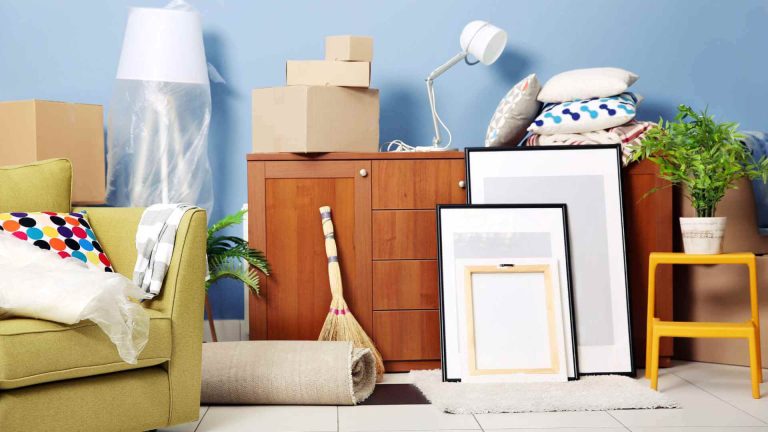
Store household contents with self-storage
Storing household contents can become necessary for a variety of reasons, whether it’s a move, renovations or simply the desire for more space at home.
With our ultimate guide and practical tips, storing your household contents will be child’s play.
Find out how to pack your items safely,
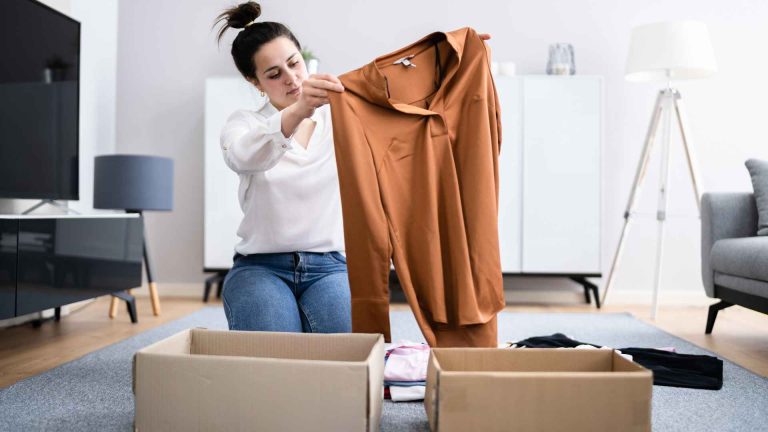
Creating storage space in small apartments and houses
Find out how you can create maximum storage space even in small apartments and houses! Our comprehensive guide offers practical tips on vertical use, utilizing niches, choosing multifunctional furniture and more.
Ideal for anyone who wants to organize their home optimally.
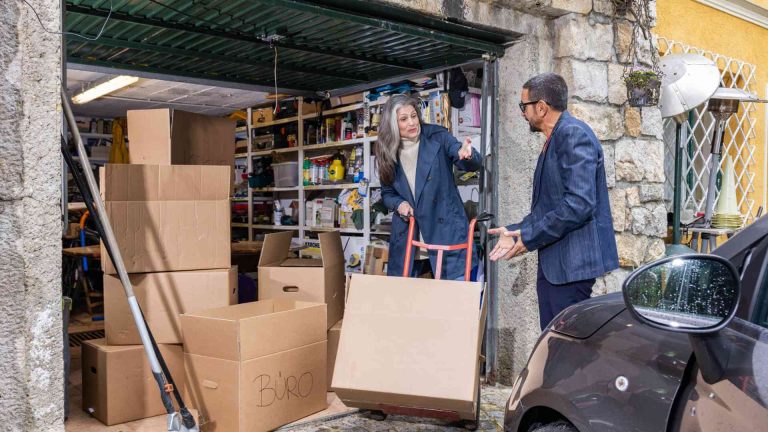
Garage as storage: is that a good idea?
Using a garage as storage space sounds practical, but it has many disadvantages such as moisture, pests and security risks. Find out why self-storage is the better solution and how STORE ROOM offers you optimal storage space.

Tips for students: From storage to the question of housing
Read our new article to find out valuable tips for students who are moving house or want to store items such as old scripts etc. We show you how to best prepare for your move into student accommodation or your first own apartment.

Clever methods for storing clothes
Discover clever tips on how to store your clothes optimally! Find out how to create space in your closet and keep your favorite items fresh in the long term. Get practical storage solutions for every style and always stay organized.